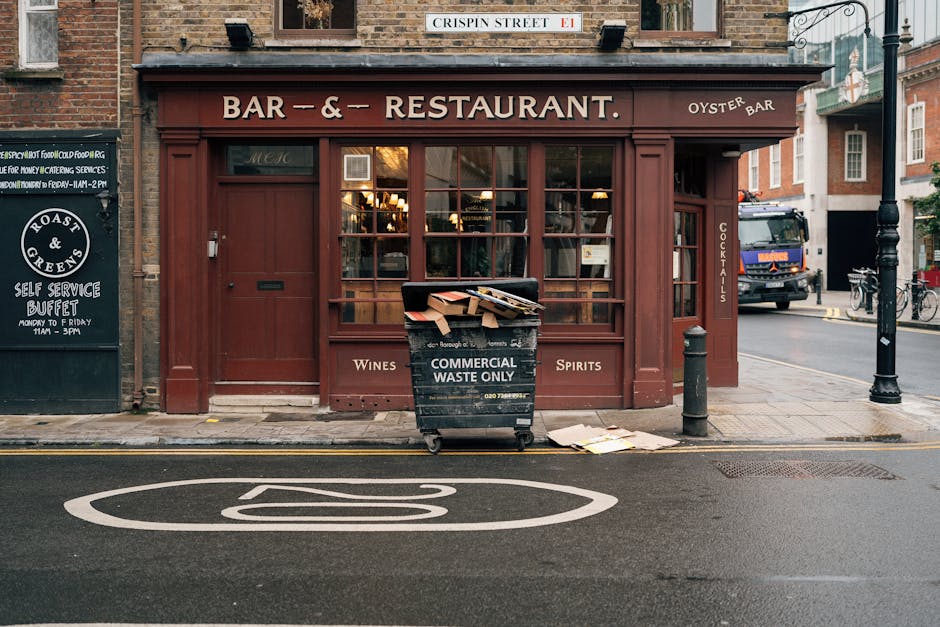
Bulky waste pickup near Hammersmith Broadway West London

If you are trying to clear a sofa, wardrobe, mattress, broken appliances, or a pile of awkward bits that simply will not fit in a bin, bulky waste pickup near Hammersmith Broadway West London is often the quickest way to get your space back. In a busy part of West London, where flats, offices, shop units, and shared buildings all seem to need clear access and careful timing, a proper bulky item collection can save time, hassle, and a fair bit of lifting. This guide explains how it works, what to expect, and how to choose the right approach without overcomplicating the whole thing.
Whether you are clearing a single item or several large pieces at once, the main goal is simple: get bulky waste removed safely, legally, and with as little disruption as possible. That sounds obvious enough, but the details matter. A missed booking window, a blocked stairwell, or the wrong disposal method can turn a small job into a long afternoon. Nobody needs that.
Why Bulky waste pickup near Hammersmith Broadway West London Matters
Bulky waste is not just "big rubbish". It is the stuff that takes planning: sofas, beds, desk chairs, old cabinets, white goods, gym equipment, and the kind of household clutter that seems to multiply when you are not looking. Near Hammersmith Broadway, that challenge becomes more noticeable because many homes and businesses are compact, access can be tight, and shared entrances are not always forgiving.
There is also a practical side that people sometimes underestimate. Leaving large items in communal hallways or outside building entrances can create safety issues, block access, and annoy neighbours very quickly. In a dense urban area, that matters more than most people expect. A good bulky waste pickup service helps prevent all of that, while keeping the job tidy and efficient.
Another reason it matters is timing. If you are moving out, preparing a flat for new tenants, emptying an office, or replacing furniture, delays are expensive in their own quiet way. One missed removal can stall cleaners, decorators, or inventory checks. That is why many people choose flat clearance or office clearance services when bulky waste is only one part of a bigger job.
And yes, some items are simply too awkward for a normal bin day. A mattress bent at the corners, a three-seat sofa, or a bulky wardrobe with mirrored doors is not the sort of thing you want wrestling down the stairs at 7 a.m. on your own. To be fair, few people do.
How Bulky waste pickup near Hammersmith Broadway West London Works
The process is usually straightforward, but it helps to know the moving parts. Most bulky waste pickups follow a simple sequence: you identify the items, the collection is assessed, a vehicle and team are arranged, and the waste is removed from your property or a suitable access point. The best outcomes happen when the handover is clear and the access route is planned in advance.
Depending on the type and volume of waste, the pickup may be handled as a one-off bulky item collection, part of a larger rubbish removal visit, or bundled into a broader waste removal job. If the load includes furniture, you may also want a dedicated furniture disposal approach, especially where items are heavy or need dismantling.
In most cases, the job begins with a brief description of what needs removing. Photos help, especially for bulky pieces hidden in corners or garages. A good team will want to know whether the items are downstairs, on an upper floor, in a basement, or in a communal area. That's not being fussy; it helps avoid surprises on the day.
There is a difference between collection and disposal too. Collection is the physical removal. Disposal is what happens after, which may include sorting, reuse assessment, recycling, or responsible waste processing. If you want a broader service that covers both removal and onward handling, pages like waste disposal and waste collection are the right fit for many customers.
Key Benefits and Practical Advantages
The biggest benefit is simple: you save time and effort. But there are several other advantages that are worth considering before you decide how to handle the waste.
- Less lifting and less risk: Large items can damage floors, walls, lifts, and backs. Using a team reduces that risk.
- Cleaner shared spaces: Hallways, foyers, and pavement areas stay clear when items are removed promptly.
- Better scheduling: Collections can be arranged around move-outs, refurbishments, tenant changes, or business hours.
- More efficient disposal: Recyclable materials, reusable furniture, and mixed waste can be sorted properly.
- Less disruption: You avoid the awkward "where do we put this giant thing for now?" problem. A very real problem, by the way.
For landlords, agents, and property managers around Hammersmith Broadway, bulky waste pickup is often less about convenience and more about keeping the next stage of the property cycle moving. A cleared flat photographs better, cleans faster, and is easier to hand over. For households, it is usually about getting back useful space without spending a weekend moving a sofa around like an unwanted puzzle piece.
If you are dealing with a mixed pile of household waste, a broader rubbish clearance or waste clearance service may be more practical than booking separate collections for every item.
Who This Is For and When It Makes Sense
This type of service suits a wide range of people, not just those with a major clear-out on their hands. In practice, it is useful for homeowners, renters, landlords, letting agents, small businesses, shop managers, and office teams. If an item is too large for standard disposal, too heavy to move safely, or too awkward to fit into normal routines, that is usually the point where bulky pickup makes sense.
It is especially relevant in the following situations:
- moving out of a flat near Hammersmith Broadway
- replacing worn-out furniture
- clearing a storage room, garage, or loft
- preparing a property for new tenants
- disposing of office desks, chairs, or filing cabinets
- removing old appliances after a refit
For specific item types, it can help to use a service page that fits the job. For example, one large upholstered item might be best handled through sofa removal, while a load from a back room or storage unit may be better matched with garage clearance or home clearance. A small business might prefer business waste support if the items come from trading premises rather than a household.
As a rule of thumb, if you are asking "Can I realistically move this myself without scratching the wall or injuring my shoulder?" the answer is probably no. That is usually the sign to book help.
Step-by-Step Guidance
Here is a practical way to handle bulky waste pickup without making it more complicated than it needs to be.
- List the items clearly. Write down everything that needs to go, including size, quantity, and whether anything is broken, dismantled, or still usable.
- Check access. Note stairs, lifts, narrow hallways, permit-only parking, or restricted loading spots. Hammersmith can be straightforward in some streets and awkward in others, depending on the building.
- Separate bulky waste from general rubbish. If you have mixed waste, set aside anything reusable, hazardous, or special handling first.
- Take photos if helpful. A couple of clear images can save time and reduce the chance of a mismatch on the day.
- Choose the right service level. A single sofa is not the same as a full house clear-out. Match the service to the job.
- Prepare the route. Move smaller obstacles, unlock gates, and keep the path to the item as open as possible.
- Confirm the final details. Make sure the collection time, access point, and item list all line up before the team arrives.
If the job involves more than one room, it may be easier to combine services. For example, a flat clear-out often works best through house clearance or home clearance, while an office tidy-up may call for office clearance plus general waste handling.
One small but useful tip: label what stays and what goes. It sounds almost too simple, but it avoids confusion when furniture is stacked close together. We have all seen a perfectly good chair nearly disappear by accident because nobody wrote anything down. Annoying.
Expert Tips for Better Results
The difference between a smooth collection and a frustrating one is often in the preparation. A few small details can make the whole thing easier.
- Book before the deadline pressure hits. If you are moving house or ending a tenancy, arrange pickup early enough to leave room for surprises.
- Use the right category. Furniture, garden waste, builders debris, and office items may each benefit from different handling.
- Dismantle only when sensible. Taking a bed frame apart can help, but half-dismantled items can become more awkward if you are not careful.
- Keep the best access point clear. If there are two routes, choose the one with fewer turns, narrower doors, or fragile walls.
- Ask about mixed loads. If you have some bulky items and some smaller rubbish, grouping them into one visit is often more efficient.
Another point that gets missed: if an item is reusable, say so. It may affect how it is handled. A sturdy office chair or solid wood cabinet is not the same as damaged MDF furniture that is falling apart. The right assessment can make disposal more efficient and, in some cases, more responsible.
For garden furniture, plant pots, broken sheds, or exterior clutter, garden clearance is often a better fit than a generic waste call. Similarly, if your load is mostly old seating, sofa removal can be the cleanest route. Simple, really.
Common Mistakes to Avoid
A lot of bulky waste problems are self-inflicted, truth be told. Not because people are careless, but because they assume a pickup will somehow sort itself out. It rarely does.
- Leaving booking until the last minute: This is the classic one. It creates stress and limits your options.
- Mixing items without warning: A single quote or plan can change if the load includes extra pieces or special waste.
- Blocking access before collection day: If items are buried behind boxes, the job takes longer and may cost more.
- Ignoring building rules: Some properties have time restrictions, concierge procedures, or loading limitations.
- Assuming everything counts as the same waste type: Builders debris, office items, furniture, and general rubbish can require different handling.
There is also a temptation to dump items "just for now" outside the front door or in a communal area. That usually backfires. It can create complaints, block access, and in some cases lead to a larger mess than the original problem. Better to deal with it once, properly.
Tools, Resources and Recommendations
You do not need a toolbox full of specialist equipment for a standard bulky pickup, but a few practical items can help. Sturdy gloves, tape, labels, a measuring tape, and a phone camera are often enough for planning. If the load is awkward, moving blankets or simple straps may be useful too. Keep it basic.
Here are some sensible recommendations for a better pickup experience:
- Measure doorways and stair turns before the collection if the item is large or unusually shaped.
- Photograph access points so you can share the reality of the space rather than guessing.
- Keep a short item list with quantities, dimensions, and any dismantling notes.
- Use a broader clearance page if the job has spread beyond one or two large items.
For wider jobs, related services may make more sense than a one-off pickup. A loft full of odds and ends might fit rubbish collection, while a full declutter might be better handled through waste removal. If the project is structural or renovation-related, builders waste is the more accurate route.
One more useful habit: keep the lift free if your building has one. It sounds minor, but a clear lift and a clear landing can save a lot of time. And a lot of apologising to neighbours.
Law, Compliance, Standards, or Best Practice
Bulky waste pickup is not just about getting things out of the way. It also needs to be handled responsibly. In the UK, waste must be managed in line with applicable rules and good practice, and it is sensible to use a provider that can handle waste lawfully, especially where transport and disposal are involved.
From a practical point of view, the safest approach is to keep waste streams honest and separate where possible. That means not mixing hazardous items with ordinary bulky waste, not placing items in the wrong collection stream, and not leaving waste in locations that breach building rules or local expectations. If an item contains electrical parts, sharp edges, or residual contents, it should be identified clearly before collection.
For residents and businesses alike, best practice usually includes:
- describing items accurately
- keeping access routes safe
- separating reusable items where practical
- avoiding fly-tipping or unauthorised dumping
- using a service that can handle disposal properly
If you want a clearer sense of how the wider service works, the company background on about us can help build trust, and the published terms and conditions and privacy policy are worth reading before you book. That kind of transparency matters, especially when you are letting someone handle waste from your home or business.
The key thing is not to overthink the legal side, but do take it seriously enough to avoid shortcuts. A tidy pickup is only useful if it is also the right pickup.
Options, Methods, or Comparison Table
There are usually several ways to deal with bulky waste, and the best one depends on volume, access, and how quickly you need the area cleared. Here is a simple comparison.
| Option | Best for | Pros | Potential downside |
|---|---|---|---|
| Single bulky item pickup | One sofa, mattress, wardrobe, or appliance | Simple, fast, low fuss | Not ideal for mixed or larger loads |
| Furniture-specific removal | Seating, cabinets, beds, and similar pieces | Good for large household items | May need extra handling for dismantling |
| Full clearance service | Flats, houses, garages, offices, or storage spaces | Covers more in one visit | May be more than you need for a small job |
| General waste collection | Mixed smaller waste plus a few larger items | Flexible and practical | Can be less precise than a dedicated service |
If your load is mostly one item, keep it simple. If you are clearing rooms, cupboards, or storage areas as well, a wider service usually gives better value. That is where home clearance or rubbish clearance often makes more sense than a piecemeal approach.
Case Study or Real-World Example
Here is a realistic example. A landlord near Hammersmith Broadway needs a two-bedroom flat cleared after tenants move out. The property contains a worn sofa, a bed frame, a mattress, an old coffee table, a broken desk chair, and several bags of mixed clutter. Nothing dramatic, just the usual accumulation that somehow happens in every flat over time.
Instead of booking separate collections, the landlord groups the job into one visit. The team is told about the stairs, the narrow hallway, and the fact that the main lift is out of service that week. Photos are sent in advance, and the bulky items are moved to the front of the flat the evening before. On collection day, the process is much smoother because the access was planned properly.
The lesson is simple: the more accurate the preparation, the easier the pickup. The job does not need to be fancy. It just needs to be clear.
In another case, a small office on a side street near the Broadway wants to replace old desks and meeting-room chairs. Because the items are work-related and several pieces need removing together, the business opts for business waste support rather than treating each item separately. That saves the team from a messy office corner, which, honestly, nobody wants to look at all week.
Practical Checklist
Use this quick checklist before your bulky waste pickup:
- List every item that needs removing
- Confirm whether anything is reusable, broken, or dismantled
- Measure large items and access routes if needed
- Take photos of awkward items or tight spaces
- Check building rules, lift access, and parking restrictions
- Separate bulky waste from smaller rubbish
- Clear the route to the collection point
- Keep doors, gates, and communal areas accessible
- Confirm timing and item details before the visit
- Read the provider's terms if you want full clarity before booking
If you have a bigger decluttering project, it may also be worth looking at garage clearance, house clearance, or waste collection depending on what you are actually clearing. The right fit matters more than the fanciest wording.
Get a free quote today and see how much you can save.
Conclusion
Bulky waste pickup near Hammersmith Broadway West London is at its best when it is simple, safe, and planned with a bit of care. You do not need to turn it into a major project. You just need the right service, clear access, and a realistic idea of what is being removed. From single-item collections to larger clear-outs, the best outcome is the one that clears your space without adding stress.
That is the real value here: less clutter, less uncertainty, and more room to get on with life. A cleared room feels different. Brighter. Quieter. A little less heavy. And sometimes that is exactly what you need.
If you are ready to move things along, start with a clear item list, choose the most relevant service type, and plan the access properly. The rest tends to fall into place.
A clear space has a way of clearing the mind too, which is no bad thing.
Frequently Asked Questions
What counts as bulky waste near Hammersmith Broadway?
Bulky waste usually means large household or commercial items that cannot go out with ordinary rubbish, such as sofas, beds, wardrobes, desks, chairs, and some appliances.
Can I book a pickup for just one item?
Yes. Single-item collections are common, especially for sofas, mattresses, or a broken wardrobe that is too large to handle alone.
Is bulky waste pickup suitable for flats with narrow stairs?
It often is, but access should be checked in advance. Narrow stairs, tight corners, and small lifts can affect how the item is removed.
What if my waste includes furniture and general clutter together?
A mixed load can usually be handled as part of a broader clearance or rubbish collection service, depending on the amount and type of items involved.
Do I need to dismantle furniture before collection?
Not always. Some items can be removed as they are, while others are easier to handle if dismantled. If you are unsure, photos and dimensions help.
How far in advance should I arrange bulky waste pickup?
As early as you can, especially if you are working to a moving date, tenancy deadline, or office refit schedule. Last-minute bookings are possible sometimes, but early planning is safer.
What is the difference between rubbish removal and waste removal?
In everyday use, the terms overlap a lot. Some people use rubbish removal for general clear-outs and waste removal for broader disposal needs. The right service usually depends on the items rather than the label.
Can bulky waste pickup help with office furniture?
Yes. Office chairs, desks, filing units, and similar items are often removed as part of an office clearance or business waste arrangement.
What should I do before the collection team arrives?
Clear the access route, separate items to be removed, keep doors and lifts accessible, and make sure the item list matches what you asked to have collected.
Are garden items included in bulky waste pickup?
Often yes, but garden waste and outdoor furniture may be better handled through a more specific service such as garden clearance, depending on the contents.
Is there a benefit to combining several items into one visit?
Usually yes. Combining multiple bulky pieces into one pickup can be more efficient than arranging separate visits, provided the load is described accurately.
Where can I learn more about the company and booking terms?
You can review the company background on about us and check the terms and conditions before making a decision.