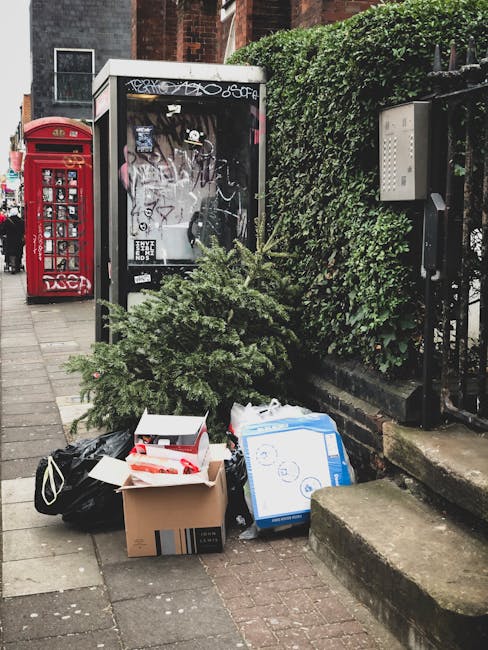
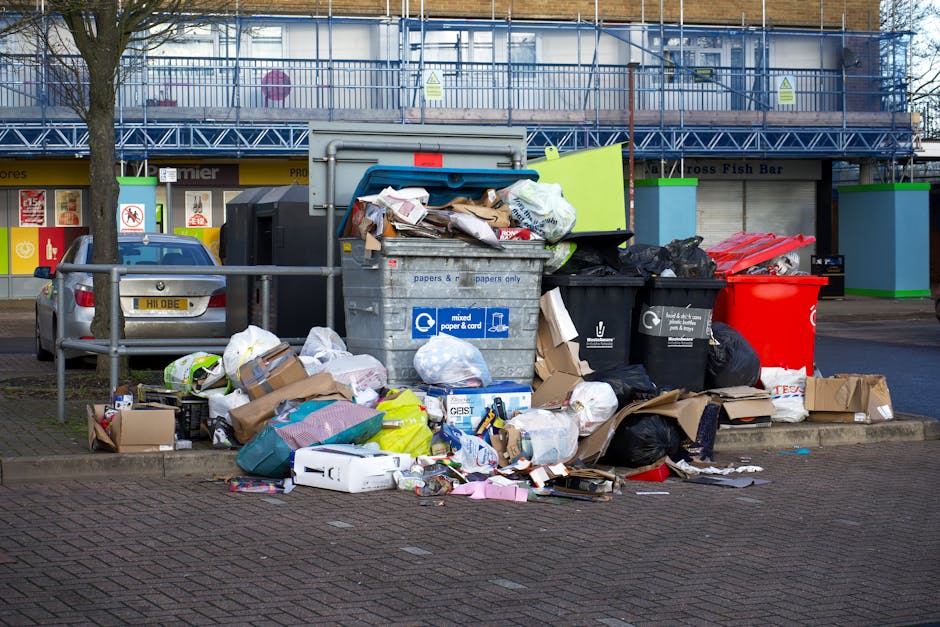
Rubbish clearance in W4 Chiswick Grove West London
If you live or work around W4 Chiswick Grove in West London, rubbish can build up faster than you expect. One week it is a broken chair, the next it is boxes, garden cuttings, old paint tins, or a flat full of clutter after a move. Rubbish clearance in W4 Chiswick Grove West London is really about getting that waste removed quickly, safely, and without turning your day into a long, messy project. Done well, it saves time, reduces stress, and keeps the property looking cared for.
This guide explains how rubbish clearance works, what to expect, who it helps most, and how to avoid the mistakes that make clearance more expensive or more awkward than it needs to be. You will also find a practical checklist, a comparison table, and a real-world example so you can make a sensible decision with confidence.
Contents
- Why rubbish clearance in W4 Chiswick Grove West London matters
- How rubbish clearance in W4 Chiswick Grove West London works
- Key benefits and practical advantages
- Who this is for and when it makes sense
- Step-by-step guidance
- Expert tips for better results
- Common mistakes to avoid
- Tools, resources and recommendations
- Law, compliance, standards, or best practice
- Options, methods, or comparison table
- Case study or real-world example
- Practical checklist
- Conclusion
- Frequently asked questions
Why Rubbish clearance in W4 Chiswick Grove West London Matters
Good clearance is not just about making things look tidy. In a busy part of West London, waste can become a practical problem surprisingly fast. A pile of rubbish on a driveway, in a hallway, or at the back of a flat can block access, create unpleasant smells, attract pests, and make an otherwise manageable job feel much bigger than it is. In our experience, people often wait until the space becomes unbearable, and then everything feels urgent.
For residents in W4, there is also the local reality of limited space. Flats, terraced homes, shared entrances, narrow roads, and tight parking all make do-it-yourself disposal less convenient than it sounds on paper. Truth be told, lugging a heavy sofa or a pile of builder's waste through a communal stairwell on a wet afternoon is nobody's idea of fun.
Rubbish clearance also matters because not all waste is the same. Old furniture, garden waste, renovation debris, and general household clutter often need different handling. When the wrong items are mixed together, clearance becomes slower and sorting becomes more important. That is why a careful, organised approach helps so much.
If your project includes mixed waste, it may be worth looking at related services such as rubbish removal, waste removal, or even specialist options like furniture disposal and sofa removal. Different jobs call for different solutions, and that distinction matters more than people realise.
How Rubbish clearance in W4 Chiswick Grove West London Works
The process is usually straightforward, but there is real value in knowing what happens behind the scenes. A good clearance service normally starts with a description or assessment of the waste. That might be a few photos, a quick call, or a site visit if the job is larger or harder to access. The aim is simple: understand the type of waste, how much there is, and whether it needs a small team, special handling, or a specific vehicle.
Once the job is agreed, the clearance team arrives, loads the waste, and removes it in one go where possible. That sounds basic, but the difference is in the details. Safe lifting, sensible sorting, protecting floors and walls, and working around parking or access issues all matter. A tidy removal job leaves the space usable again without creating another mess on the way out.
For larger or more specific clearances, the service may overlap with house clearance, home clearance, flat clearance, or garage clearance. If the waste comes from a refurb, builders waste clearance is usually the more appropriate route.
People often ask whether clearance is the same as collection. Not quite. Collection can imply a smaller pickup or a scheduled removal, while clearance usually suggests a fuller, more hands-on service that handles loading, lifting, and removal from the property itself. That difference sounds subtle, but it changes the whole experience.
Key Benefits and Practical Advantages
There are several reasons local people choose professional rubbish clearance instead of trying to manage everything themselves. The first is time. A job that could take a homeowner a whole weekend may be done much faster by a team that knows what it is doing. That alone can be worth it when you are already dealing with a move, renovation, or family schedule.
The second benefit is convenience. You do not need to hire a van, make repeated trips, or figure out where each type of waste should go. For people in busy neighbourhoods, the convenience is often the deciding factor. Nobody wants to spend Saturday morning circling for parking with a load of old furniture in the back, let's face it.
The third benefit is reduced stress. Rubbish tends to sit in the corner of your mind until it is gone. Once removed, the space feels clearer immediately. That emotional relief is real. A room looks bigger, a hallway feels cleaner, and the place just functions better.
There can also be a financial benefit in avoiding the wrong approach. Multiple car journeys, skip hire you do not fully use, or damaged items from poor handling can all add up. Choosing the right method from the start often keeps the job simpler and more predictable.
For many households and small businesses, the right service is really a combination of waste clearance and waste collection, matched to the actual volume and type of rubbish. If you want a broader service approach, options like waste clearance and waste collection may be helpful depending on the job.
Who This Is For and When It Makes Sense
Rubbish clearance in W4 Chiswick Grove West London makes sense for a wide range of people. Homeowners use it after decluttering, moving, renovating, or clearing out a loft, basement, or garage. Flat owners and landlords often need it after a tenancy ends or when a property needs to be prepared for the next resident. Estate situations can also be delicate, where the priority is respectful, organised removal rather than just speed.
Businesses use rubbish clearance for office refits, storage room clean-outs, and regular waste that has built up beyond what a standard bin arrangement can handle. If that sounds familiar, office clearance or business waste may be the better fit.
Garden projects are another common trigger. Cut branches, soil, broken planters, old sheds, and bags of green waste can take up more room than expected. In that case, garden clearance is often the most practical route. You can even find that one small tidy-up turns into a full garden reset once you can see the space again. Funny how that happens.
And then there are the in-between moments: after a party, before a sale, after a long period of storing things "just in case," or when a room simply stops being useful because of clutter. That is exactly when rubbish clearance starts to feel less like a luxury and more like a reset.
Step-by-Step Guidance
If you want the process to go smoothly, a little preparation helps. The more clearly you can define the job, the easier it is to manage expectations and avoid delays.
- Identify what needs removing. Separate general rubbish from items that may need special handling, such as electronics, paint, or bulky furniture.
- Take a quick inventory. A rough list or a few photos is often enough for the first conversation. Be honest about what is there. That saves time later.
- Check access. Note stairs, lifts, parking restrictions, narrow hallways, or any awkward entry points. In W4, access is often the part that catches people out.
- Choose the right type of clearance. A small collection may be enough for a few bags and a chair. A larger clear-out may be better suited to a more complete service such as home clearance or house clearance.
- Confirm what is included. Make sure loading, lifting, and removal are covered, and ask how mixed materials are handled.
- Prepare the space. Clear a route if you can. Move fragile items away from the work area. It sounds simple, but it saves hassle.
- Stay available for questions. Sometimes the team needs a quick decision about an item that is not obvious. A five-second answer can save ten minutes of guesswork.
That's the basic flow. Nothing glamorous, but it works.
Expert Tips for Better Results
One of the best things you can do is group items by type before the clearance starts. Furniture together, garden waste together, general clutter together. Why does this help? Because the team can work more efficiently and spot anything that needs special handling sooner.
Another useful tip is to be realistic about volume. A bag that looks light on its own may not feel light once there are twelve of them on a staircase. A sofa, mattress, or dismantled wardrobe can also take more room than people expect. If you have bulky items, mention them early. For single-item removals, a focused option like furniture disposal can be a cleaner fit.
If you are clearing a flat or shared property, think about timing. Morning slots often make more sense than late afternoons because access, parking, and neighbour traffic tend to be easier. Small window, big difference.
Here is a very practical one: keep a "maybe" pile separate from true waste. Items people hesitate over can slow the whole process. Decide before the team arrives if possible. If not, at least keep those items visible so nothing gets removed by mistake. Mildly obvious, yes, but easy to forget when you are in the middle of it all.
Finally, ask about sorting and disposal methods. A professional outfit should be able to explain how reusable items, recyclable materials, and general waste are handled in normal terms. If the answer is vague, that is worth noticing.
Common Mistakes to Avoid
A lot of clearance problems come from the same few mistakes. The first is underestimating the amount of waste. People often describe a job as "just a few things" when it is really several categories of waste packed into different corners of the property. That is not a problem if it is known in advance, but it becomes awkward if it is discovered at the door.
The second mistake is mixing items that should be separated. Renovation debris with general rubbish, paint with furniture, or garden cuttings with household junk can complicate disposal. It may still be manageable, but it is better to sort first when you can.
The third mistake is forgetting access details. W4 properties can have tricky loading points, narrow roads, or limited stopping space. If a vehicle cannot park where expected, the whole job slows down. It is one of those things that seems minor until it isn't.
Another issue is keeping items you actually meant to throw away. Sounds silly, but it happens constantly. A box gets put aside "for later," then no one remembers what was in it. Before long, the room still looks cluttered and you feel you did the whole thing twice.
And then there is the classic mistake of assuming every removal option is identical. It really isn't. A sofa pickup, a garage clear-out, and a full house clearance each need a different approach. If you use the wrong service, you may pay for more than you needed or get less support than you expected.
Tools, Resources and Recommendations
You do not need special equipment for most small clearances, but a few simple tools make prep much easier. Sturdy bags, tape, gloves, a torch for lofts or cupboards, and a marker pen for labelling can save time. If furniture needs dismantling, keep basic tools handy, but only if you are comfortable using them safely.
For landlords, agents, and busy homeowners, a phone camera is probably the most useful tool of all. A few clear photos of the rubbish, the access route, and the main items will answer more questions than a long description. It is a plain practical habit, nothing fancy.
If your space has turned into a catch-all for things you no longer use, a broader service such as garage clearance or flat clearance may be worth considering instead of tackling item by item.
For commercial jobs, keep any internal building rules, lift booking times, or loading restrictions in mind. Small operational details are often what decide whether a clearance feels smooth or slightly chaotic. That is the truth of it.
Practical summary: the best results usually come from clear photos, honest descriptions, sensible sorting, and choosing the right type of clearance for the waste you actually have. Simple, yes. But simple done well is usually what wins.
Law, Compliance, Standards, or Best Practice
Waste removal in the UK sits within a broader framework of responsible disposal and duty of care. You do not need to become a legal expert to get rubbish cleared properly, but you do need to be cautious about who handles your waste and where it ends up. In practice, that means using a reputable service, keeping clear records where relevant, and making sure items are not dumped illegally.
For householders, the key point is straightforward: if someone takes your waste away, you still want confidence that it is being handled properly. For businesses, the standard is higher because commercial waste often carries additional responsibility and record-keeping expectations. That is why services like waste disposal and business waste should be chosen with care.
Hazardous or specialist items are a separate matter. Things like chemicals, some electrical items, asbestos, or sharp construction waste may need specific treatment. If you are unsure, ask before the clearance date rather than after the van has arrived. It saves everybody a headache.
Best practice is also about safety on site. Clear paths, sensible lifting, and protecting common areas all matter. If a provider seems too casual about those basics, that is worth a second thought.
Options, Methods, or Comparison Table
Different jobs call for different methods. Here is a simple comparison to help you choose the right approach for your situation in W4.
| Method | Best for | Pros | Watch out for |
|---|---|---|---|
| General rubbish clearance | Mixed household waste, clutter, bags, smaller bulky items | Quick, flexible, good for one-off jobs | May need sorting if waste types are mixed |
| Furniture disposal | Chairs, tables, wardrobes, mattresses, sofas | Handles awkward bulky items safely | Heavy access routes can slow things down |
| Garage or home clearance | Spaces full of accumulated belongings | More complete reset of the area | Can take longer if sorting is needed on site |
| Builders waste clearance | Renovation rubble, timber, packaging, offcuts | Better suited to heavy, messy material | Requires clear identification of construction debris |
| Collection-only approach | Smaller, pre-bagged waste or straightforward pickups | Simple and efficient for lighter jobs | Less suitable when loading or lifting is needed |
As a rule of thumb, the more mixed and bulky the waste, the more useful a full clearance becomes. If you are only dealing with a few items, a simpler collection may be enough. It is not about choosing the biggest service, just the right one.
Case Study or Real-World Example
A typical W4 scenario goes like this. A family in Chiswick Grove had been stacking unwanted items in a spare room for months: an old chest of drawers, a broken office chair, several bags of clothes, some garden waste from a weekend tidy-up, and a few boxes they had never quite unpacked after a move. Nothing extreme. But together, it had made the room unusable.
They started by sorting what could stay, what could be donated, and what was definitely rubbish. A quick set of photos was enough to explain the access route and the volume. On the day, the team removed the larger items first, then cleared the bags and mixed waste last. The room was back to being a proper room by the end of the visit, which sounds almost too neat, but that's exactly what happened.
The key lesson was simple: the job felt bigger than it was because everything was spread across time and space. Once it was grouped and removed, the pressure disappeared. Not magical. Just practical.
Practical Checklist
Use this checklist before booking rubbish clearance in W4 Chiswick Grove West London:
- List the items and estimate how much there is
- Separate furniture, general rubbish, and garden or builders waste
- Take photos of the waste and access points
- Check for stairs, lift restrictions, or parking issues
- Decide if any items need special handling
- Clear a path from the property to the exit
- Move valuables, fragile items, and personal paperwork out of the way
- Confirm whether you need rubbish clearance, furniture disposal, or a fuller home or house clearance
- Ask how loading, sorting, and removal will be managed
- Keep the booking details and any instructions in one place
If you can tick most of those off, the clearance is far more likely to run smoothly. A little preparation goes a long way.
Conclusion
Rubbish clearance in W4 Chiswick Grove West London is about more than getting rid of unwanted items. It is about restoring space, reducing stress, and handling waste in a sensible, responsible way. Whether you are clearing a flat, a family home, a garage, or a business premises, the right approach depends on the type of rubbish, the access, and how quickly you want the space back.
The best jobs are usually the ones that are planned just enough: clear photos, honest descriptions, the right service, and a simple checklist before the team arrives. That is often all it takes. No drama, no second trip, no wasted weekend.
If you are looking at a pile of clutter and wondering where to start, start small. One bag, one room, one decision at a time. Funny how a space can change your whole mood once it is clear again.
Get a free quote today and see how much you can save.
Frequently Asked Questions
What does rubbish clearance in W4 Chiswick Grove West London usually include?
It usually includes the removal of general household rubbish, bulky items, unwanted furniture, bags of clutter, and sometimes garden or light builders waste, depending on the service booked. The exact scope depends on the load and the access.
Is rubbish clearance better than hiring a skip?
It depends on the job. If you want fast removal without loading everything yourself, clearance is often easier. If you prefer to fill a container over time and have space for it, a skip may suit a different kind of project. In W4, access and parking often make clearance the more convenient option.
How quickly can rubbish be cleared in Chiswick Grove?
That depends on schedule, volume, and access. Small jobs may be handled quickly, while larger clearances need more time and planning. The best approach is to share photos early so the service can match the right team and vehicle to the job.
Can I mix furniture with general rubbish?
Often yes, but it is better to mention it in advance. Mixed loads are common, but heavier items like sofas or wardrobes may affect how the job is priced and organised. If you have lots of bulky items, furniture disposal may be the better fit.
What happens to the waste after collection?
Reputable services sort and route waste according to its type, with an emphasis on responsible disposal and recycling where possible. Exact handling varies by material, so it is sensible to ask how the load will be managed before booking.
Do I need to move everything outside before the team arrives?
No, not usually. A proper clearance service should be able to remove waste from inside the property. That said, clearing a path and making access easy will help the job go faster and reduce the chance of damage.
Is rubbish clearance suitable for flats and upper-floor properties?
Yes, absolutely. It is commonly used for flats, maisonettes, and shared buildings. Just be sure to mention stairs, lifts, and any building rules in advance, because access can change the logistics quite a bit.
How do I know whether I need home clearance or house clearance?
If you are clearing a few rooms or smaller sections of the property, home clearance may be enough. If the whole property is being emptied or prepared for sale, house clearance is often more appropriate. The distinction is practical rather than dramatic.
What should I do with garden waste or builder's debris?
Keep them separate if possible and flag them when booking. Garden waste is usually easiest through garden clearance, while rubble, timber, and renovation offcuts are better suited to builders waste clearance. Mixing them with normal household rubbish can complicate things.
Are there items that cannot be taken with standard rubbish clearance?
Yes, some items may need special handling, including certain hazardous materials or items requiring specialist disposal. If you are unsure about paint, chemicals, or unusual waste, ask before the booking rather than leaving it as a surprise on the day.
How can I prepare to keep the cost down?
Sort items clearly, give accurate photos, make access straightforward, and avoid last-minute additions where you can. The more precise the description, the easier it is to match the right service and avoid unnecessary time on site.
Why do people in W4 choose professional rubbish removal instead of doing it themselves?
Mostly because it saves time, reduces heavy lifting, and avoids repeated trips. In a busy London area, convenience matters. Once the rubbish is gone, people usually wonder why they put it off for so long. Happens all the time.
Can rubbish clearance help before a move or sale?
Yes. It is one of the most common reasons people book it. Clearing spare rooms, lofts, garages, or bulky items can make a property feel larger, cleaner, and easier to present. A less cluttered space always feels easier to manage.
Where should I start if I am not sure what service I need?
Start by listing the main items and taking photos. Then decide whether the job is mostly clutter, furniture, garden waste, builders debris, or a full property clear. That usually makes the right service much easier to identify.